The Tale of Two Woods: How Pressure Rewrites Whitetail Behavior
Every hunter dreams of the classic, unpressured whitetail scenario: a crisp autumn afternoon where a mature buck steps confidently out into a wide-open oak flat or agricultural edge two hours before dark. On quiet, low-pressure lands, deer behave according to their natural, undisturbed biology.
But cross the boundary line onto heavily pressured public land, and you enter an entirely different world. Within the first few days of tire tracks hitting the gravel parking lots, whitetail behavior completely transforms. They don’t vanish, but heavy hunting pressure rewrites how, when, and where deer move.
To consistently tag deer on public ground, you have to throw out the traditional playbook and understand the stark differences in behavior between pressured whitetails and unpressured whitetails.
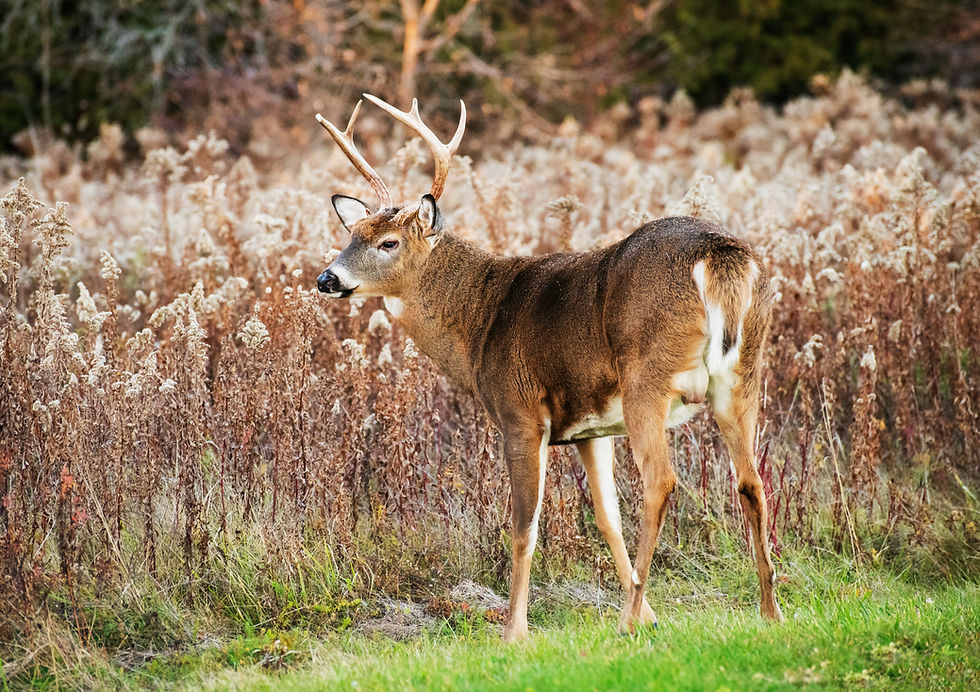
1. Where They Bed: Open Ridges vs. Complete Inaccessibility
In a quiet, unpressured environment, a deer chooses its bedding area based on pure comfort, thermal protection, and easy proximity to food and water. You will often find them bedding on open hardwood ridges or easily predictable leeward points.
On pressured public land, comfort is replaced entirely by survival.
The Shift: Deer abandon open woods and retreat deep into the interior of thick security cover—think cattail marshes, dense briar patches, clear-cuts, or tangled switchgrass.
The Strategy: Pressured deer look for structural obstacles that keep humans away. If a spot requires crossing a creek, navigating a swamp, or pushing through a wall of brush, that is exactly where a public land buck will make his bedroom.
2. When They Move: The Daylight Clock vs. The Nocturnal Shift
On unpressured properties, deer movement is highly visible during daylight hours, typically peaking during the first and last two hours of the day. They will travel significant distances from their beds to major food sources while the sun is still up.
In high-pressure zones, mature bucks drastically reduce their daylight radius.
The Shift: Studies show that hunting pressure can shift a mature buck's daylight activity by more than two hours. They become highly nocturnal, waiting for absolute darkness before stepping into open fields or food sources.
The Strategy: Pressured deer don't stop moving entirely during the day, but their daylight movement is short-lived, micro-level, and confined strictly within thick cover.
3. How They Travel: Main Highways vs. Structural Security Lines
If you map deer travel on an unpressured tract, you will see clear, heavily beaten trails out in the open—the deer "highways" that follow natural topographic funnels.
On public land, deer treat open space as a death sentence.
The Shift: They abandon obvious trails and instead utilize highly specific, hidden travel corridors. They will use micro-topography, such as shallow ditches, brushy fencerows, or the downwind side of thick edges, to move completely undetected.
The Strategy: Their travel routes become shorter and much more erratic. Instead of walking a straight line to a field, a public land buck will wind through thick security brush, pausing constantly to scan and smell for danger.

4. Communication: Vocal Curiosity vs. High Suspicion
In quiet areas, deer are vocal. Grunt calls, rattling antlers, and decoys are highly effective tools because a lonely buck expects to find another deer when he hears those sounds.
In pressure zones, silence kills.
The Shift: When a public land buck hears an aggressive grunt or a loud rattling sequence, he rarely comes charging in. Because he has been educated by dozens of hunters blowing plastic calls, he immediately associates unnatural, loud noises with danger.
The Strategy: If a pressured buck does investigate a sound, he will almost always circle completely downwind of the noise inside thick cover to catch the scent before ever showing himself.
Adapt to the Pressure with Stoney Wolf Outdoors
To hunt public land successfully, you cannot sit over an open field and wait for a television moment. You have to take the fight to the deer by hunting the transition edges of their thickest security cover and setting up where other hunters are unwilling to walk.
At Stoney Wolf Outdoors, our streaming platform on Amazon Fire and Roku TV features masterclasses from public land legends like John Eberhart who have spent a lifetime decoding these exact behavioral shifts. Stop hunting unpressured strategies on pressured ground—stream our expert instructional library today and learn how to turn heavy hunter pressure into your ultimate tactical advantage.


Comments